
Tag Cancer

UW oncologist studies how viruses cause cancer — and how we can better prevent them
A Q&A with Paul Lambert shows what we know about virus-linked cancers and innovative ways to limit their spread
UW researchers develop personalized cancer vaccines that slow tumor recurrence in mice
The approach could theoretically apply to any cancer that tends to recur, such as pancreatic cancer and glioblastoma, the most common and extremely aggressive brain tumor.
Some lymphomas become resistant to treatment. Gene discovery may offer path to overcome it.
Researchers have been trying to understand why and how certain lymphoma treatments often stop being effective. Lixin Rui and his team believe they've found the reason — and a potential alternative treatment.
Common chemotherapy drugs don’t work like doctors thought, with big implications for drug discovery
Findings reveal the likely reason why certain chemotherapies are effective for many patients. Importantly, they also help explain why attempts to find new chemo drugs based solely on stopping cellular division have been so disappointing.
Remnant of cell division could be responsible for spreading cancer
The midbody’s involvement in cell signaling and stimulating cell proliferation has been investigated before, but UW researchers wanted to look inside the midbody remnants to learn more.

UW researchers identify cell type that could be key to preventing marrow transplant complication
UW researchers at the Carbone Cancer Center have identified the cells that can cause graft-versus-host disease, the most common complication of bone marrow transplants.

A blood test for cancer shows promise thanks to machine learning
UW–Madison researchers have developed a method for early cancer detection using blood plasma, machine learning and equipment commonly found in medical labs.
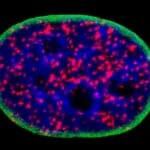
Unexpected link between most common cancer drivers may yield more effective drugs
A UW–Madison research team has discovered a direct link between cellular pathways that make promising targets for new cancer treatments.
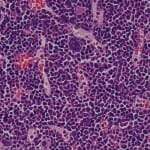
Mouse study may help doctors choose treatments for leukemia patients
By exploring the ways mice responded, researchers hope to gain an understanding of the sorts of human health issues that may bring on a case of this life-threatening form of cancer.

Meet some of the exceptional graduates of winter 2021
This year’s winter graduates are an accomplished bunch — they’ve created new student organizations, toured the world on music stages, undertaken important research, and won major awards
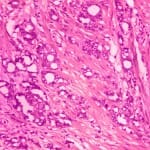
Metastatic prostate cancer comes in two forms, which could guide treatment
The two subtypes respond differently — information that could one day help physicians match patients with the therapies best suited to their disease.

Combining low-dose radiotherapy with immunotherapy eradicates metastatic cancer in mice
UW–Madison and University of Pittsburgh scientists report the method works even when the radiation is given in doses too low to destroy the cancer outright.

Study led by UW doctor finds analyzing DNA in urine could help detect cancer
Currently, cancers are detected using more invasive methods. Urinalysis has long been used to manage many diseases and disorders, but not cancer.
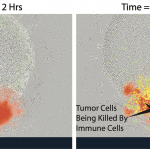
A new way to help the immune system fight back against cancer
"We believe we are launching a new cancer therapy field here," says Jamey Weichert, professor of radiology. "It’s very exciting, and the research team is incredible.”

UW Health March 19 Daily Update: Caring for Cancer Patients
The University of Wisconsin Carbone Cancer Center continues to care for cancer patients by using telehealth technology, expanding screening, and extending in-home care options to address the unique challenges created by the COVID-19 pandemic.

V. Craig Jordan, Michael G. Moore to receive honorary degrees from UW–Madison
Jordan, a groundbreaking cancer researcher, and Moore, a pioneer in the field of contemporary distance education, will be awarded honorary doctoral degrees during the winter 2020 commencement ceremonies in December.
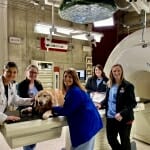
Scout’s Super Bowl story is a viral hit
A 7-year-old Golden Retriever named Scout and UW–Madison’s School of Veterinary Medicine are already stealing the show in the run-up to the Super Bowl. Scout’s story, in the form of a 30-second commercial for WeatherTech, has already received an overwhelming reaction since it was first released on Tuesday.
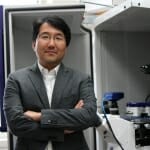
Cheap nanoparticles stimulate immune response to cancer in the lab
If they are shown to work as well in the body as they do in pharmacy Professor Seungpyo Hong's lab, the nanoparticles might provide an effective and more affordable way to fight cancer.

‘Lucky Dog’ Scout and UW School of Veterinary Medicine star in WeatherTech Super Bowl commercial
As Super Bowl LIV airs Sunday, Feb. 2, Scout will appear alongside members of the school's faculty and staff who have been part of the 7-year-old golden retriever’s cancer treatment journey.

Scout, UW star in Super Bowl ad
When clinicians at the University of Wisconsin School of Veterinary Medicine began caring for Scout in July 2019, they had no idea they would soon inspire, and appear in, a Super Bowl commercial. But they had a canine star on their hands, and a very appreciative client. Here is the finished ad.