
Tag Brain

New research shows no evidence of structural brain change with short-term mindfulness training
“We are still in the early stages of research on the effects of meditation training on the brain and there is much to be discovered,” says Center for Healthy Minds founder and director Richard Davidson.
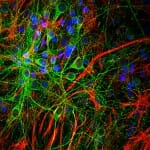
Researchers are using machine learning to understand how brain cells work
Called manifold learning, the approach may help researchers better understand and even predict brain disorders by looking at specific neuronal properties.
This protein can shred our cells. Or it can help us think.
In findings that surprised researchers, a new study reveals that complexin — a protein long known to play a role in communication between cells in the brain — is also capable of obliterating cells if left unchecked.
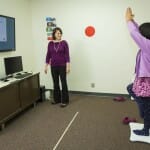
Video games teach balance, reduce symptoms in autistic adolescents
Waisman Center researchers hope to identify outcomes of balance training that will be meaningful to autistic adolescents and contribute to their quality of life.
Seizures and memory problems in epilepsy may have a common cause
A new study could lead to earlier diagnosis of epilepsy and possibly new ways to treat epilepsy and other disorders that share symptoms, like Alzheimer’s disease, traumatic brain injury and autism spectrum disorder.

UW teams up with NFL on research designed to reduce head injuries in athletes
Researchers will collect data from high-tech mouthguard sensors that measure impact speed, direction, force, location and severity of head impacts.
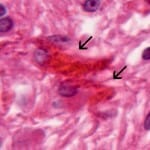
Promising treatment for Alexander disease moves from rat model to human clinical trials
The rare neurological disorder has no cure and is typically fatal, but a study led by UW–Madison researchers is a significant step in efforts to help people with the disease.

Stem cell project to create new model to study brain development and Down syndrome
The research is funded through an $11 million Transformative Research grant from the National Institutes of Health, which supports exceptionally innovative or unconventional research projects with the potential to advance their field.

Designer alterations to brain cells reduce anxious behavior in monkeys, hold promise for new treatments
The technique used by psychiatry Professor Ned Kalin could point to a new way to help people with severe anxiety and other treatment-resistant psychiatric illnesses.
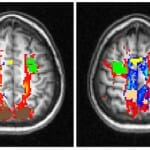
Researchers find a better way to measure consciousness
A new study of brain activity could prevent the potential trauma of patients under anesthesia regaining some awareness during medical procedures.

That little voice in your head — if you have it — may be aligning your thoughts
It’s evidence that the differences in visual and “audible” representations in the mind are connected to differences in the way we organize our thinking.
Chilling concussed cells shows promise for full recovery
“You can’t cool too little; you can’t cool too much; and you can’t wait too long following an injury to start treatment,” says mechanical engineer Christian Franck. And when the researchers identified that sweet spot, the results were striking.
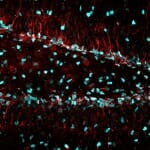
Newly identified cellular trash removal program helps create new neurons
New research by University of Wisconsin–Madison scientists reveals how a cellular filament helps neural stem cells clear damaged and clumped proteins, an important step in eventually producing new neurons.
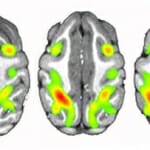
Researchers wake monkeys by stimulating ‘engine’ of consciousness in brain
A small amount of electricity delivered at a specific frequency to a particular point in the brain will snap a monkey out of even deep anesthesia, pointing to a circuit of brain activity key to consciousness and suggesting potential treatments for debilitating brain disorders.

Inflammation predicts response to anti-depression medication
Children and teens with bipolar depression responded better to the drug if they had increased markers of inflammation in their blood, a new UW–Madison study shows.

Mindfulness video game changes areas of the brain associated with attention
The game was designed for middle schoolers and requires them to count their breaths by tapping a touch screen to advance through relaxing landscapes such as ancient Greek ruins and outer space.

“Clamp” regulates message transfer between mammal neurons
A UW researcher has described a key component of the nervous system — the brake, or “clamp,” that prevents the fusion pore from completing its formation and opening.

Electronic records pin broad set of health risks on genetic premutation
UW–Madison's Marsha Mailick led researchers from the Waisman Center and Marshfield Clinic in a study that employed machine learning to mine decades of electronic health records of nearly 20,000 individuals.

Single protein plays important dual transport roles in the brain
A wide range of neurological conditions could benefit from the growth of axons — the telephone wires of the nervous system — including spinal cord injuries and some neurodegenerative diseases, says researcher Edwin Chapman.

Jawless fish take a bite out of the blood-brain barrier
A team of biomedical engineers and clinician-scientists borrowed molecules from the immune system of the parasitic sea lamprey to deliver anti-cancer drugs directly to brain tumors.