
Tag Animal research

New vaccine strategy could help extend immunity against evolving viruses
UW–Madison research identifies a way to program longer-lasting T cells, a potential step toward broader, more durable protection against infections like the flu and COVID-19.
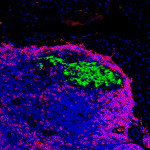
How disabling one gene protects mice against Type 1 diabetes
UW–Madison researchers have discovered a mechanism that could one day help people at risk of developing the metabolic disease.
Parkinson’s treatment tested at UW showing promise in first clinical trial
Parkinson’s patients are receiving a new investigational treatment after UW–Madison researchers successfully demonstrated its safety and helped refine the delivery method.

UW researchers develop personalized cancer vaccines that slow tumor recurrence in mice
The approach could theoretically apply to any cancer that tends to recur, such as pancreatic cancer and glioblastoma, the most common and extremely aggressive brain tumor.

Could an arthritis drug unlock lasting relief from epilepsy and seizures? UW–Madison researchers see promising results in mice.
A drug typically prescribed for arthritis halts brain-damaging seizures in mice that have a condition like epilepsy, according to researchers at UW–Madison. If the drug proves viable for human patients, it would be the first to provide lasting relief from seizures even after they stopped taking it.
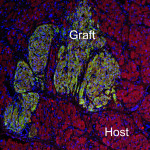
Human stem cell-derived heart cells are safe in monkeys, could treat congenital heart disease
Regenerating tissue to support healthy heart function could keep hearts beating stronger and longer, and this is where stem cell research is stepping in.

Brain cell grafts in monkeys jump-start human trial for new Parkinson’s treatment
People with Parkinson’s disease are receiving a new treatment in a clinical trial started after University of Wisconsin–Madison scientists demonstrated the safety and feasibility of the therapeutic delivery method in a study of non-human primates.

Raw milk is risky, but airborne transmission of H5N1 from cow’s milk is inefficient in mammals.
New research suggests that exposure to raw milk infected with the currently circulating virus poses a real risk of infecting humans, but that the virus may not spread very far or quickly to others.
All creatures great and small: Sequencing the blue whale and Etruscan shrew genomes
Size doesn’t matter when it comes to genome sequencing in the animal kingdom, as a team of researchers at the Morgridge Institute for Research recently illustrated when assembling the sequences for two new reference genomes — one from the world’s largest mammal and one from one of the smallest.

Study identifies promising target for treating inflammatory bowel disease and colitis-induced colorectal cancers
Researchers uncovered a previously unknown function of a protein that is central to gut health and implicated in the development of colitis, a severe and chronic form of IBD.
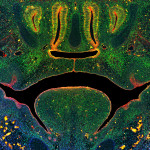
UW researchers uncover new clues about the cause of common birth defects
The research has uncovered new information about orofacial development in mice that researchers believe could one day help reduce the risk of these birth defects in humans.

Knowing what dogs like to watch could help veterinarians assess their vision
Researchers at the University of Wisconsin–Madison have taken a novel approach to assessing canine vision. Their recent study uses a dog's interest in a variety of video content to better measure the quality of its vision.
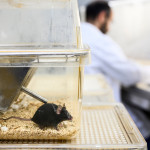
Mice eating less of specific amino acid — overrepresented in diet of obese people — live longer, healthier
A calorie may not be just a calorie according to new research from the University of Wisconsin School of Medicine and Public Health.

Relieving stress in insulin-producing cells protects against Type 1 diabetes
Researchers hope that their findings, published today in the journal Cell Metabolism, may point to a potential new treatment that could be administered very early in the development of diabetes.

New study shows mRNA vaccine harnesses T-cell power to combat COVID-19 in lungs
The study sheds new light on the protective mechanisms mRNA vaccines use to lessen severe disease following breakthrough infections. It also raises important new questions about the role of memory T cells in limiting the spread of the virus, the frequency with which we get vaccinated and the most effective methods for vaccine delivery.
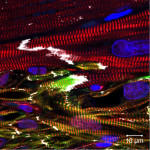
Combining cell types may lead to improved cardiac cell therapy following heart attack
A new study from researchers at the University of Wisconsin–Madison and Academia Sinica of Taiwan points to an improved method for regenerating heart muscle following a heart attack.

Conservation, community, and a love for big monkeys: Karen Strier celebrates 40-year study of Northern muriqui
Since 1982, University of Wisconsin–Madison professor Karen Strier has worked to study the muriqui monkeys of Brazil and protect their habitat, along with an ever-growing community of researchers and conservationists.
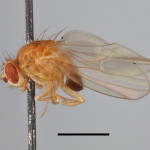
200-year-old DNA helps map tiny fly’s genetic course to new lands, modern times
The humble fruit fly is one of the most thoroughly studied animals on the planet and new insights continue to be revealed about the fly’s evolution thanks to centuries-old DNA.

Mixing donor and recipient immune systems creates tolerance of transplanted kidneys
Specialists at UW–Madison and Stanford University have developed the new approach to kidney transplantation that could one day help recipients tolerate a new organ without the need for anti-rejection medications.
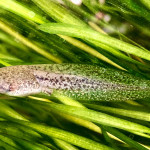
Pollutants are important to biodiversity’s role in spread of wildlife diseases
Researchers found that environmental pollutants like road salt influence whether increased biodiversity helps or hinders disease outbreaks in wildlife, which can complicate how we value protecting diverse animal communities.