
Tag Aging

New study challenges bleak picture of U.S. state gaps in longevity gains
Updated data finds that life expectancy trends may not be as extreme or regionally unequal as earlier estimates suggested.
New research reveals longevity gains slowing, life expectancy of 100 unlikely
A new study finds that life expectancy gains made by high-income countries in the first half of the 20th century have slowed significantly.

App under development at UW could make it easier, more affordable to ‘age in place’
Using augmented reality, UW–Madison researchers are developing an app to improve the safety and quality of life for older adults who want to age in place.

UW–Madison case study investigates gap in quality of life for Hmong nursing home residents
Mai See Thao believes it’s essential to factor in refugees’ past experiences as they age in care facilities, to avoid reproducing feelings of isolation, abandonment and uncertainty.
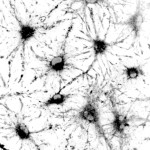
New tool provides researchers with improved understanding of stem cell aging in the brain
By identifying and decoding these autofluorescence signatures, the researchers have developed a tool that can aid in studying adult neurological diseases and aging, but potentially also expand beyond neuroscience.

New paper links childhood deprivation to accelerated biological aging later in life
By using advanced epigenetic aging techniques and new data from older adults, a team of researchers found that being deprived of a nurturing childhood environment is associated with accelerated biological aging in adulthood.

Weight loss may be early predictor of Alzheimer’s disease in Down syndrome
The findings indicate weight loss may be a useful predictor of the disease prior to the onset of the cognitive problems that often trigger diagnosis.

Poor health threatens voting in older age. Absentee and early voting can help maintain turnout.
A research team wanted to address a longstanding question in their field: How do voting patterns change as people age? One-time snapshots of different generations never provided a clear answer.

UW aging researchers to expand ‘Elder Tree’ web platform to smart devices
Elder Tree supports older adults who wish to remain in their homes. Now, because not everyone can use a computer easily, it will be adapted for smart speakers and smart displays.

Scientists discover cause of aging-related disease in mice, then reverse its symptoms
UW–Madison researchers have shown that mice making too much of a human protein called AT-1 show signs of early aging and premature death, which are also symptoms of the human disorder progeria.

Mining notes from doctors and nurses could improve dementia diagnosis
Searching for clues in electronic health records could steer dementia patients to better treatment and follow-up examinations — especially patients from minority groups that tend to be less likely to receive specialized care.

New toolkit guides professionals, others in scenarios involving dementia
A new toolkit from the School of Nursing prepares professionals, like pharmacists, as well as family members and other front-line staff to face and handle situations involving dementia patients.

‘Amazing Grace’ chorus members take a vacation from Alzheimer’s with singing
The Amazing Grace chorus mixes caregivers and people with dementia; to encourage social contact, the pairs seldom sit side-by-side at performances.
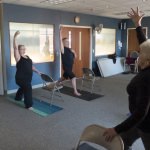
Study: Yoga reduces falls among the elderly
Participants in a study saw significant improvements on two measures of walking gait, and on balance, after 8 weeks of yoga classes.

Plan tests ancient Chinese tradition to help elders with balance
Could a stripped-down tai chi class, taught in just 12 sessions and also practiced at home, improve balance in people over age 65 who were concerned about balance?

Telling the tale of midlife in the United States
MIDUS is a national longitudinal study on aging explicitly focused on midlife, including transitions from young adulthood to midlife, and from midlife into old age.
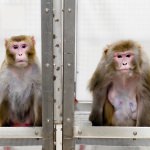
Calorie restriction lets monkeys live long and prosper
Settling a persistent scientific controversy, a long-awaited report shows that restricting calories does indeed help rhesus monkeys live longer, healthier lives.

UW–Madison researchers study plant aging, gain insights into crop yields
New insights into the mechanism behind how plants age may help scientists better understand crop yields, nutrient allocation, and even the timing and duration of fall leaf color.
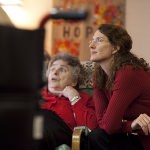
MacArthur ‘Genius Grant’ winner is UW–Madison alumna
Anne Basting, who received a master’s degree in theatre and drama at UW–Madison, is now a theatre professor at the University of Wisconsin-Milwaukee.

Study: Working with others can help prevent Alzheimer’s
New research from the Wisconsin Registry for Alzheimer’s Prevention and the Wisconsin Alzheimer’s Disease Research Center shows that people whose jobs involve complex interactions with other people fare the best as their brains age. These include jobs that involve mentoring, negotiating or teaching.