
Tag School of Medicine and Public Health

The two Owens
The death of a six-year-old inspired a UW–Madison researcher to investigate a rare brain cancer.
What’s the tick forecast?
New research from the University of Wisconsin School of Medicine and Public Health tracks tick distribution and rising disease risk across Wisconsin.
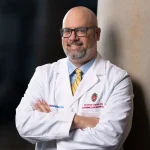
Christian Capitini named director of the UW Carbone Cancer Center
Capitini, a national expert in the treatment and research of childhood cancers and professor at the School of Medicine and Public Health, will assume his new role on April 19.

Sweet Success: UW medical students celebrate Match Day
During the annual tradition, fourth-year medical students filed onstage at the UW School of Medicine and Public Health to announce where their residencies will take them next.
Train for the job you want
Outside the classroom, medical students in the School of Medicine and Public Health seize opportunities to gain knowledge and serve.
UW researchers tackle diabetes from multiple angles
Researchers at the UW School of Medicine and Public Health are working on new and improved treatments for diabetes and its complications. They're also searching for what doesn't yet exist: a cure.

UW professor Andrea Putnam awarded 2025 Packard Fellowship
Putnam’s research focuses on how RNA and proteins help orchestrate gene expression during development. She is one of 20 early-career scientists from across the United States to be awarded this year’s fellowship.
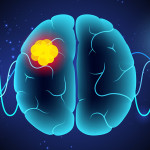
UW researchers uncover possible new treatment to target a devastating childhood brain cancer
Using fruit flies, scientists are investigating the genetic drivers of the rare but aggressive tumor.
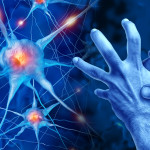
Parkinson’s treatment tested at UW showing promise in first clinical trial
Parkinson’s patients are receiving a new investigational treatment after UW–Madison researchers successfully demonstrated its safety and helped refine the delivery method.

Scrolling for answers
Hundreds of Wisconsin teens are helping UW researchers study the effects of social media. The findings could be transformative.

A Decade of Discovery: ORCHARDS Concludes After Ten Years of Groundbreaking Research
After 10 years, the Oregon Child Absenteeism Due to Respiratory Disease Study has concluded. UW researchers involved with the study reflect on its impact as one of the most comprehensive and long-running community-based studies of respiratory illness in school-aged children in the US.

Research project aims to measure brain fog as long-term effect of COVID-19
The findings of the study could inform the development of more targeted therapies to combat the effects of brain fog, which include memory loss, attention deficits and fatigue, that can make it hard to complete the tasks of daily life.
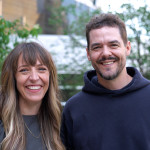
A new kidney — free of daily meds
Thanks to a cutting-edge clinical trial at UW–Madison, transplant patients are returning to a healthy life without anti-rejection drugs.
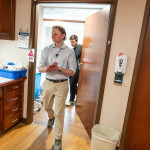
With first graduate, accelerated UW program aggressively takes on physician shortage in rural Wisconsin
Shane Hoffman will become the first graduate of a UW School of Medicine and Public Health program that reduces the time it takes to train doctors interested in serving rural parts of the state.

Medical students celebrate a star-studded Match Day 2025
Each year, on the third Friday in March, medical students nationwide learn where they have been placed for clinical residency training programs for most specialties. This year's Match Day shined a light on "service," with a little sprinkling of awards show-style.
Could an arthritis drug unlock lasting relief from epilepsy and seizures? UW–Madison researchers see promising results in mice.
A drug typically prescribed for arthritis halts brain-damaging seizures in mice that have a condition like epilepsy, according to researchers at UW–Madison. If the drug proves viable for human patients, it would be the first to provide lasting relief from seizures even after they stopped taking it.
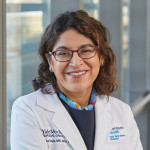
Dr. Nita Ahuja named dean of UW School of Medicine and Public Health
Ahuja is a cancer-care innovator whose treatment approaches and research have garnered international recognition. She’s also a proven leader and administrator with a track record for bringing multidisciplinary teams together to solve health care challenges.

UW researchers find previously unknown links between microbial bile acids and the risk of colon cancer
A team of UW–Madison scientists have uncovered that bile acids produced by the liver to help digest food may affect our risk for developing colon cancer.

From stem cells to technology, the next Wisconsin RISE initiative focuses on improving health
The next focus area of the Wisconsin RISE Initiative, RISE-THRIVE, is set to harness and grow the university's reputation as a global powerhouse in interdisciplinary health research — translating both medical discoveries and innovative social science approaches into tangibly healthier lives for Wisconsinites and people and communities around the world.

A stealth fungus has decimated North American bats but scientists may be a step closer to treating white-nose syndrome
Scientists have discovered how an invasive fungus that colonizes the skin of hibernating bats gains entry and covertly hijacks cells, taking an important step toward treatment of white-nose syndrome.