Caption:
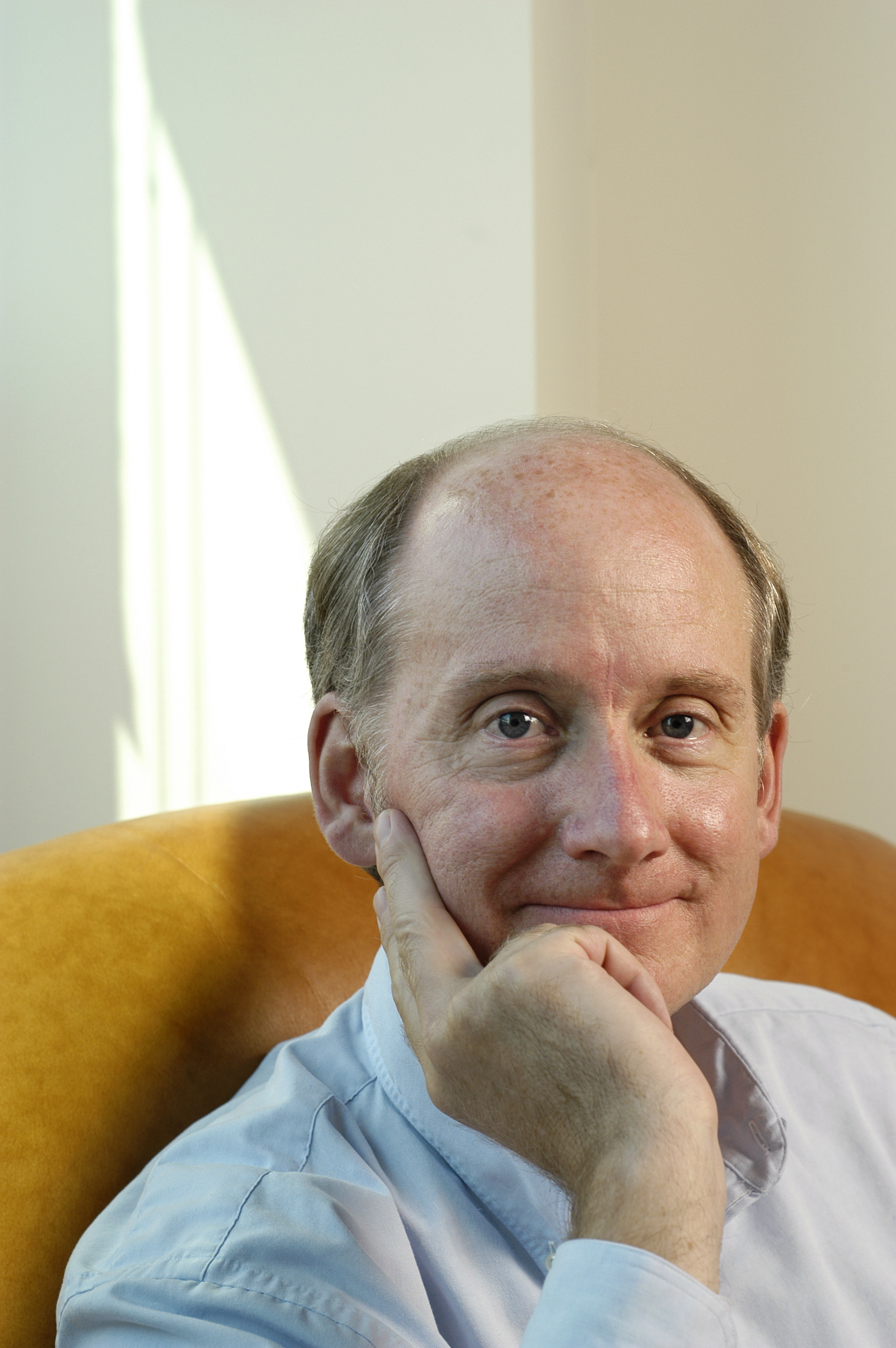
Developmental biologist and professor of anatomy James Thomson takes a break
from working on a laptop computer in his office at the University of Wisconsin-Madison.
Thomson directed the research group that reported the first isolation of embryonic
stem cell lines from a nonhuman primate in 1995, work that led his group to
the first successful isolation of human embryonic stem cell lines in 1998.
Photo by: Jeff Miller
Date: August 2005
High-resolution 300 DPI JPEG

Caption: Developmental
biologist and professor of anatomy James Thomson takes a break from working
on a laptop computer in his office at the University of Wisconsin-Madison.
Thomson directed the research group that reported the first isolation of embryonic
stem cell lines from a nonhuman primate in 1995, work that led his group to
the first successful isolation of human embryonic stem cell lines in 1998.
Photo by: Jeff Miller
Date: August 2005
High-resolution 300 DPI JPEG

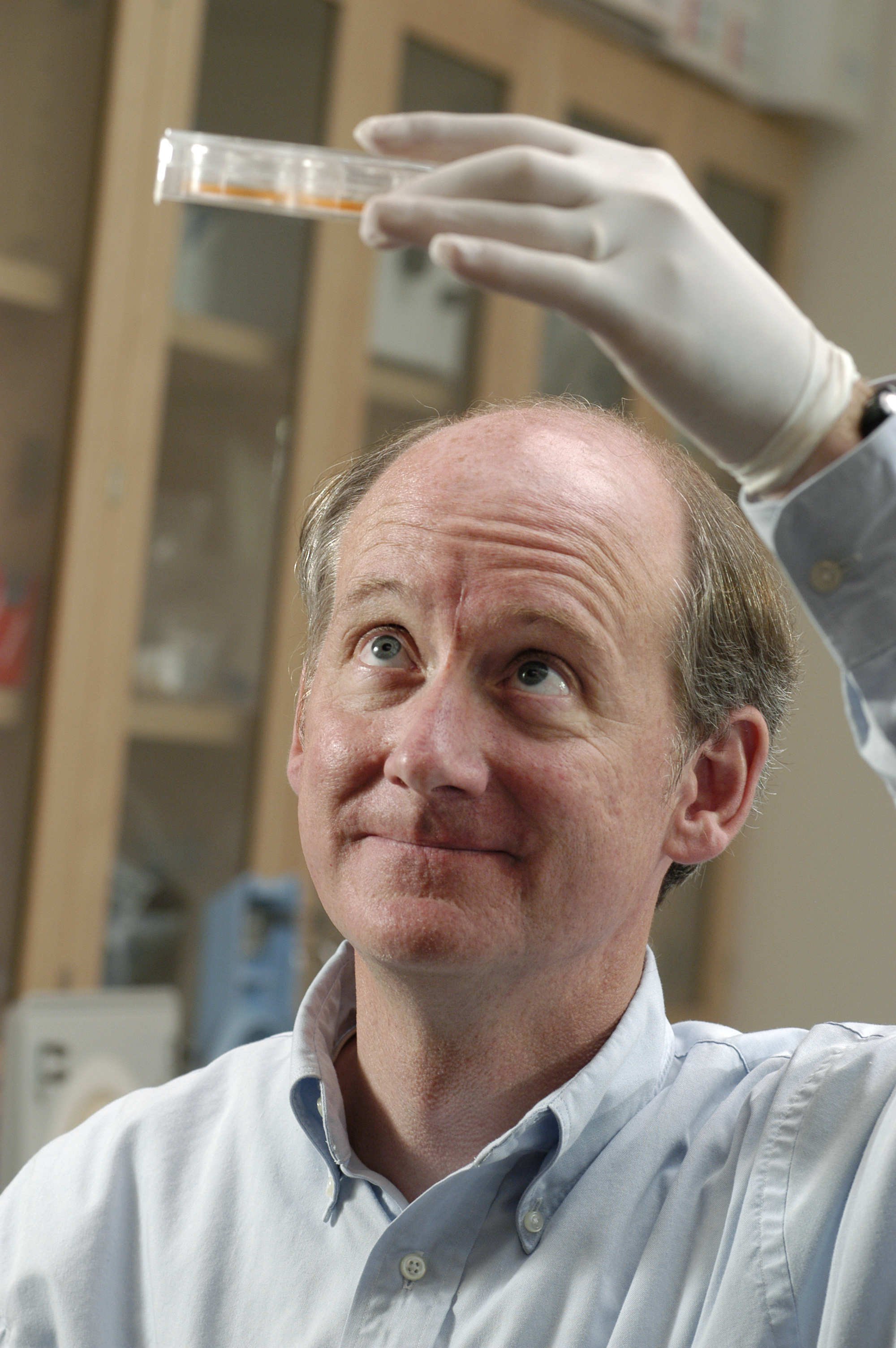
Caption: Developmental
biologist and professor of anatomy James Thomson looks at a stem cell culture
being prepared by lab manager Jessica Antosiewicz (not pictured) in the Thomson
lab at the University of Wisconsin-Madison. Thomson directed the research group
that reported the first isolation of embryonic stem cell lines from a nonhuman
primate in 1995, work that led his group to the first successful isolation
of human embryonic stem cell lines in 1998.
Photo by: Jeff Miller
Date: August 2005
High-resolution 300 DPI JPEG

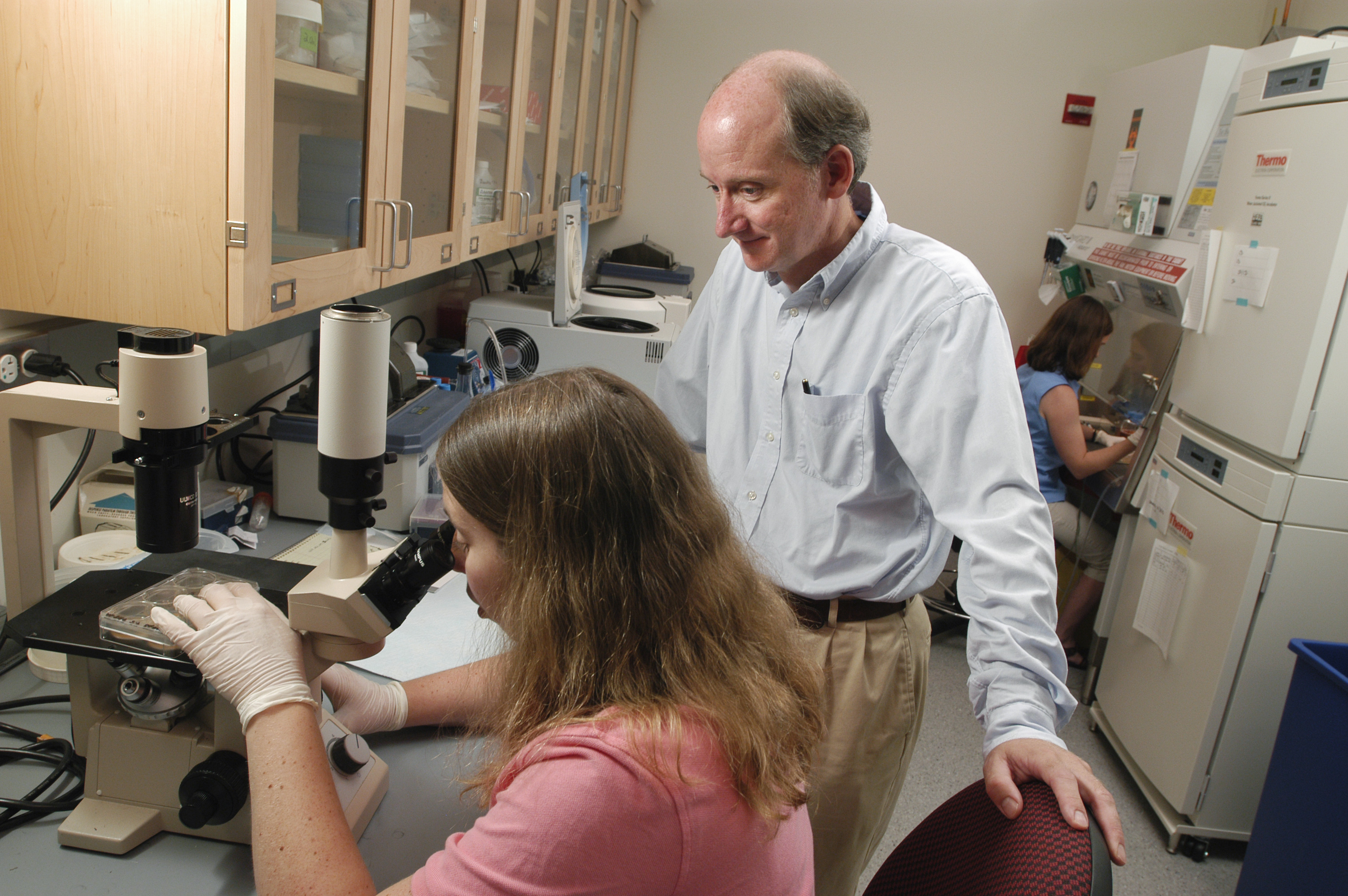
Caption: Developmental
biologist and professor of anatomy James Thomson discusses a stem cell culture
being prepared by lab manager Jessica Antosiewicz in the Thomson research lab
at the University of Wisconsin-Madison. Thomson directed the research group
that reported the first isolation of embryonic stem cell lines from a nonhuman
primate in 1995, work that led his group to the first successful isolation
of human embryonic stem cell lines in 1998.
Photo by: Jeff Miller
Date: August 2005
High-resolution 300 DPI JPEG

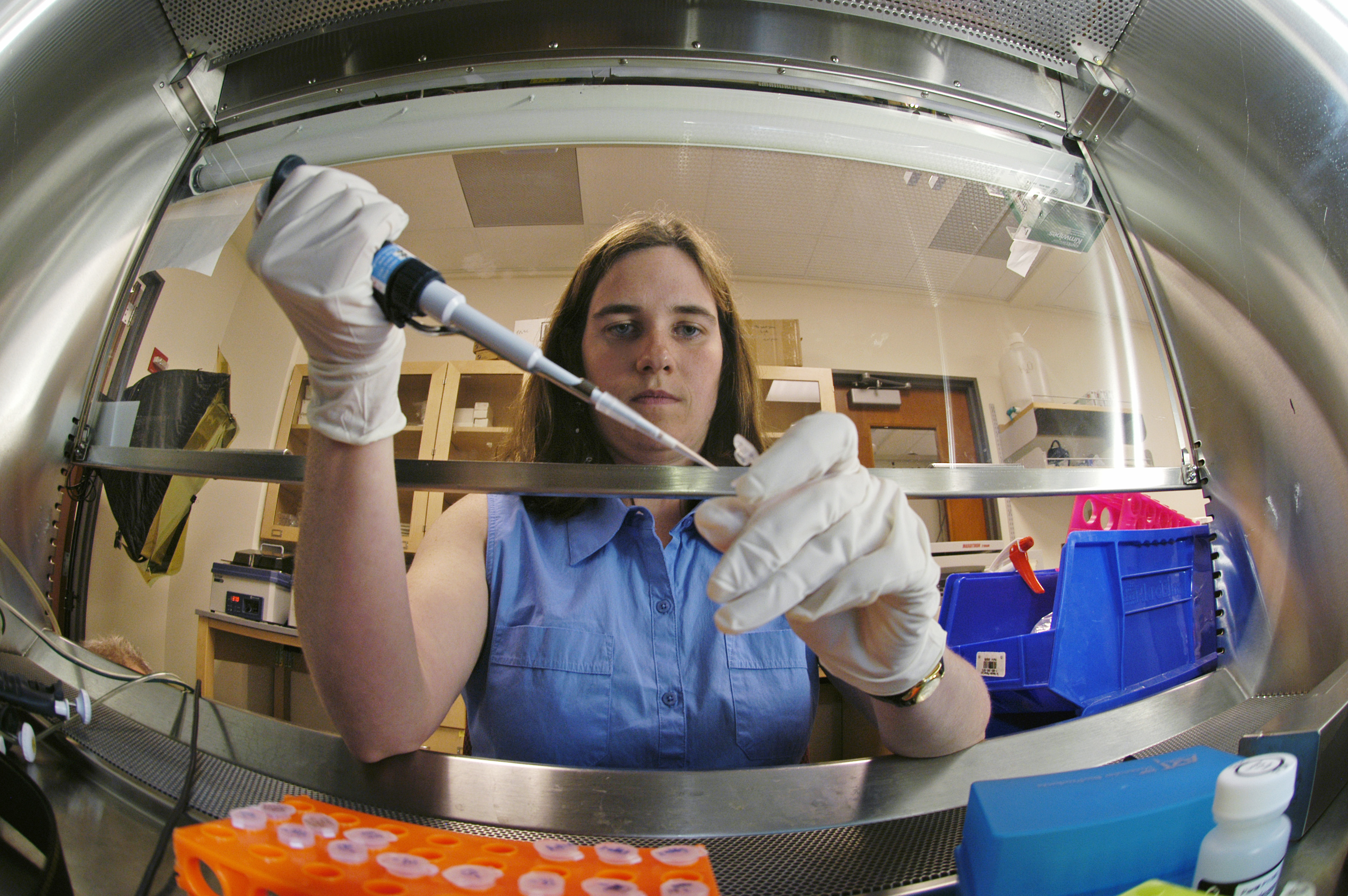
Caption: Research
associate Jamie Sperger works under a fume hood dispersing a feeder solution
necessary to maintain growing stem cell cultures in researcher James Thomson's
lab at the University of Wisconsin-Madison. Thomson, a developmental biologist
and professor of anatomy, directed the research group that reported the first
isolation of embryonic stem cell lines from a nonhuman primate in 1995, work
that led his group to the first successful isolation of human embryonic stem
cell lines in 1998.
Photo by: Jeff Miller
Date: August 2005
High-resolution 300 DPI JPEG

Caption: Research
specialist Lia Thornberry Kent works under a fume hood dispersing a feeder
solution necessary to maintain growing stem cell cultures in researcher James
Thomson's lab at the University of Wisconsin-Madison. Thomson, a developmental
biologist and professor of anatomy, directed the research group that reported
the first isolation of embryonic stem cell lines from a nonhuman primate in
1995, work that led his group to the first successful isolation of human embryonic
stem cell lines in 1998.
Photo by: Jeff Miller
Date: August 2005
High-resolution 300 DPI JPEG

Caption: Lab
manager Jessica Antosiewicz removes a tray of stem cell cultures from an incubator
in researcher James Thomson's lab at the University of Wisconsin-Madison. Thomson,
a developmental biologist and professor of anatomy, directed the research group
that reported the first isolation of embryonic stem cell lines from a nonhuman
primate in 1995, work that led his group to the first successful isolation
of human embryonic stem cell lines in 1998.
Photo by: Jeff Miller
Date: August 2005
High-resolution 300 DPI JPEG

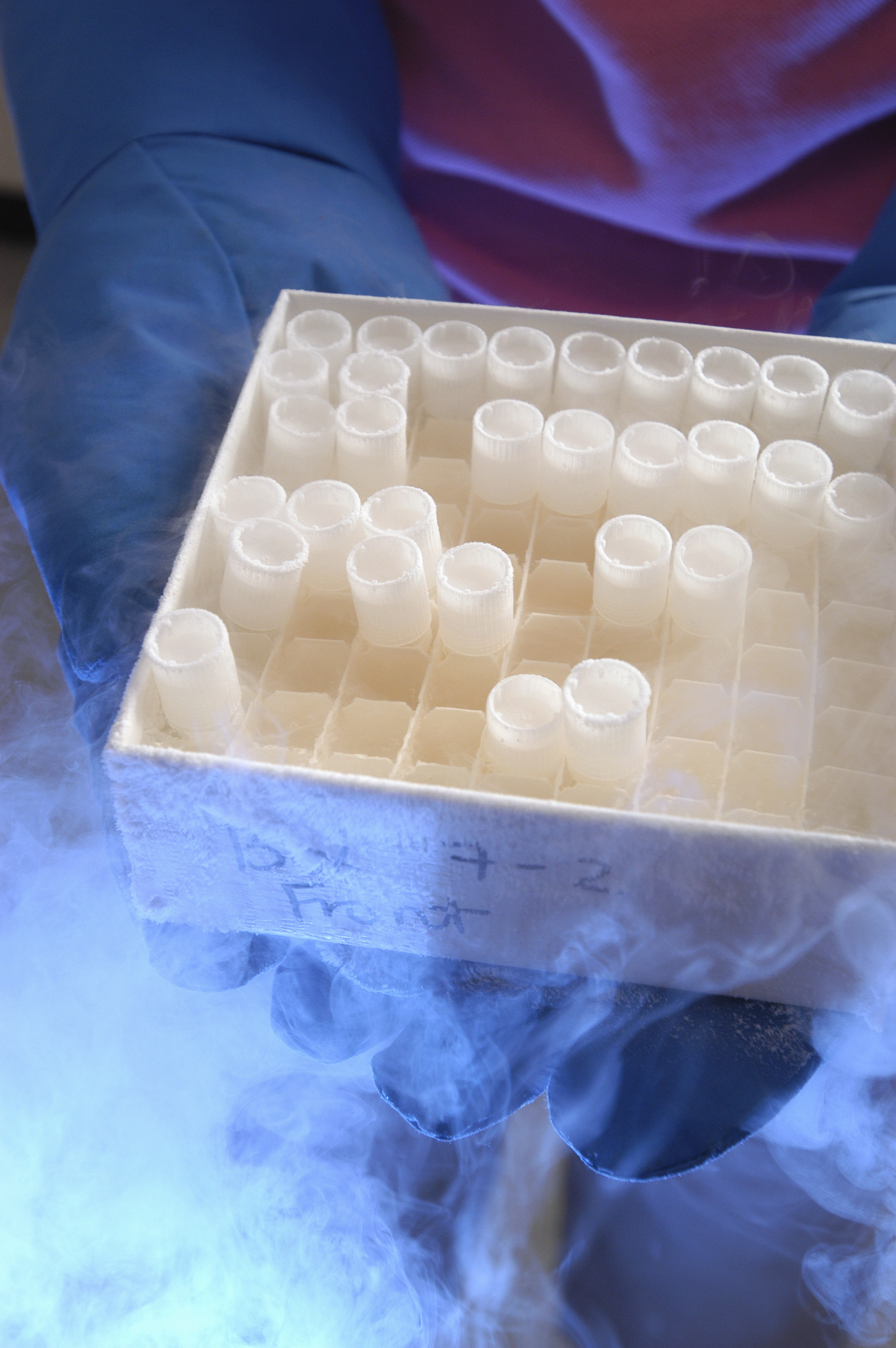
Caption: Lab
manager Jessica Antosiewicz removes a tray containing vials of frozen human
embryonic stem cells from long-term storage in liquid nitrogen in researcher
James Thomson's lab at the University of Wisconsin-Madison. Thomson, a developmental
biologist and professor of anatomy, directed the research group that reported
the first isolation of embryonic stem cell lines from a nonhuman primate in
1995, work that led his group to the first successful isolation of human embryonic
stem cell lines in 1998.
Photo by: Jeff Miller
Date: August 2005
High-resolution 300 DPI JPEG

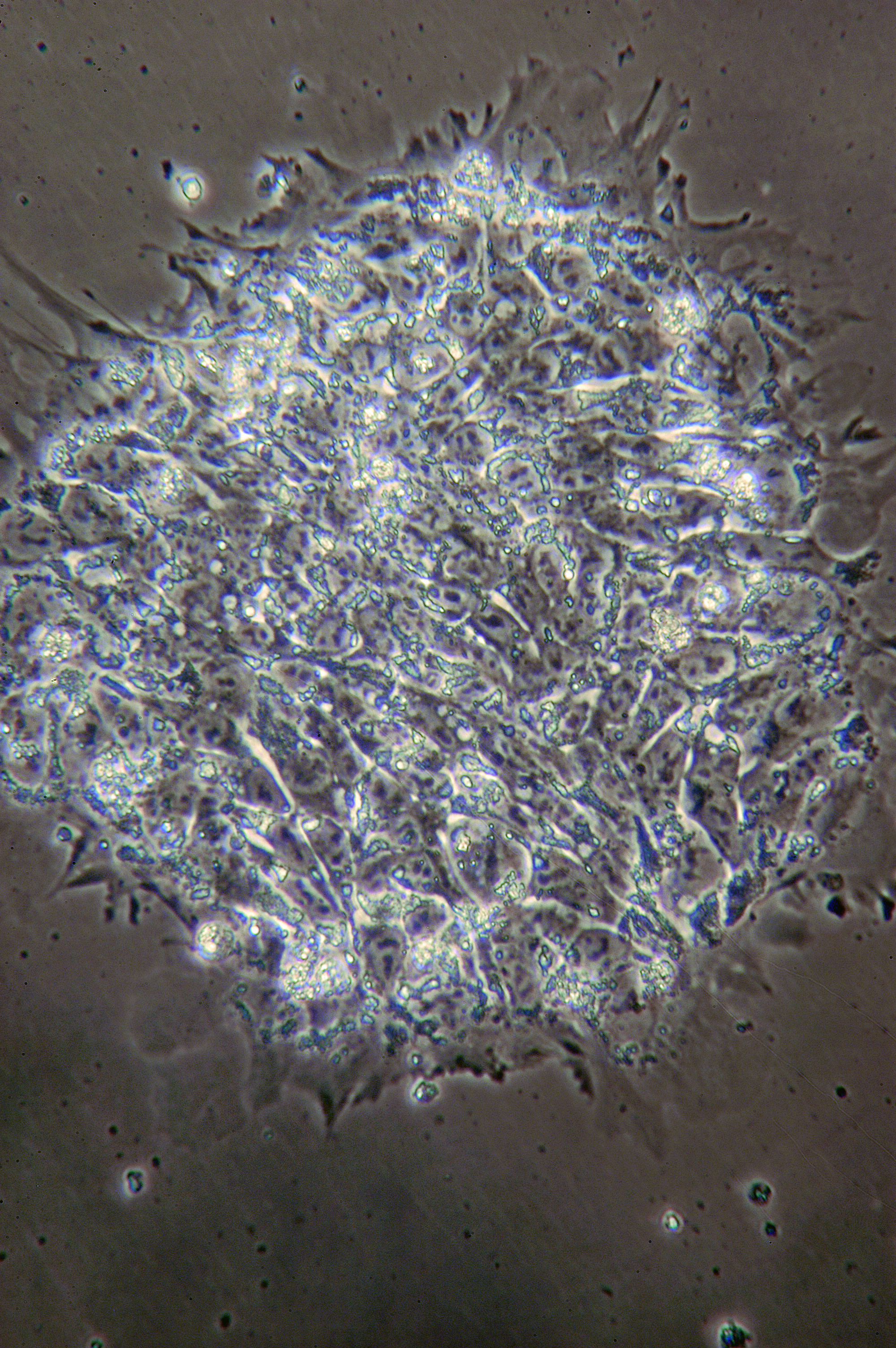
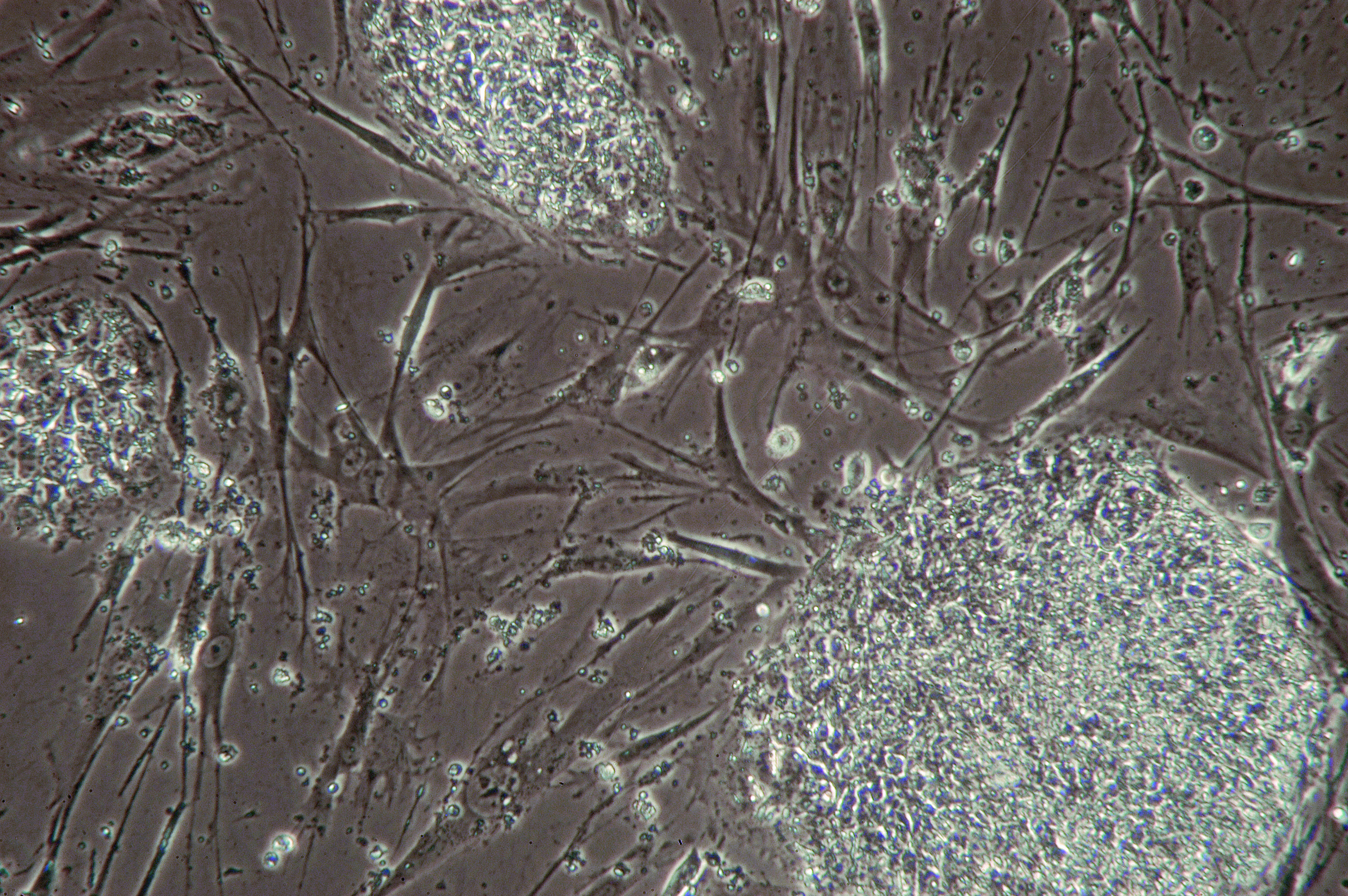
Caption: Microscopic
view of a colony of original human embryonic stem cell lines from the James
Thomson lab at the University of Wisconsin-Madison. These cells, which arise
at the earliest stages of development, are blank slate cells capable of differentiating
into any of the 220 types of cells or tissues in the human body. They can provide
access to tissue and cells for basic research and potential therapies for many
types of disease. Thomson, a developmental biologist and professor of anatomy,
directed the research group that reported the first isolation of embryonic
stem cell lines from a nonhuman primate in 1995, work that led his group to
the first successful isolation of human embryonic stem cell lines in 1998.
Photo by: Jeff Miller
Date: August 2005
High-resolution 300 DPI JPEG

Caption: Microscopic
view of a colony of original human embryonic stem cell lines from the James
Thomson lab at the University of Wisconsin-Madison. These cells, which arise
at the earliest stages of development, are blank slate cells capable of differentiating
into any of the 220 types of cells or tissues in the human body. They can provide
access to tissue and cells for basic research and potential therapies for many
types of disease. Thomson, a developmental biologist and professor of anatomy,
directed the research group that reported the first isolation of embryonic
stem cell lines from a nonhuman primate in 1995, work that led his group to
the first successful isolation of human embryonic stem cell lines in 1998.
Photo by: Jeff Miller
Date: August 2005
High-resolution 300 DPI JPEG