Caption:
A study by James Burton and T. Douglas Price of the University of Wisconsin-Madison
and Vera Tiesler of the Autonomous University of the Yucatan provides the earliest
definitive link between the African Diaspora and the New World. Digging in
a colonial-era graveyard in Campeche, one of the oldest European cities in
Mexico, archaeologists found and researchers chemically analyzed what they
believe are the oldest remains of slaves brought from African to the New World.
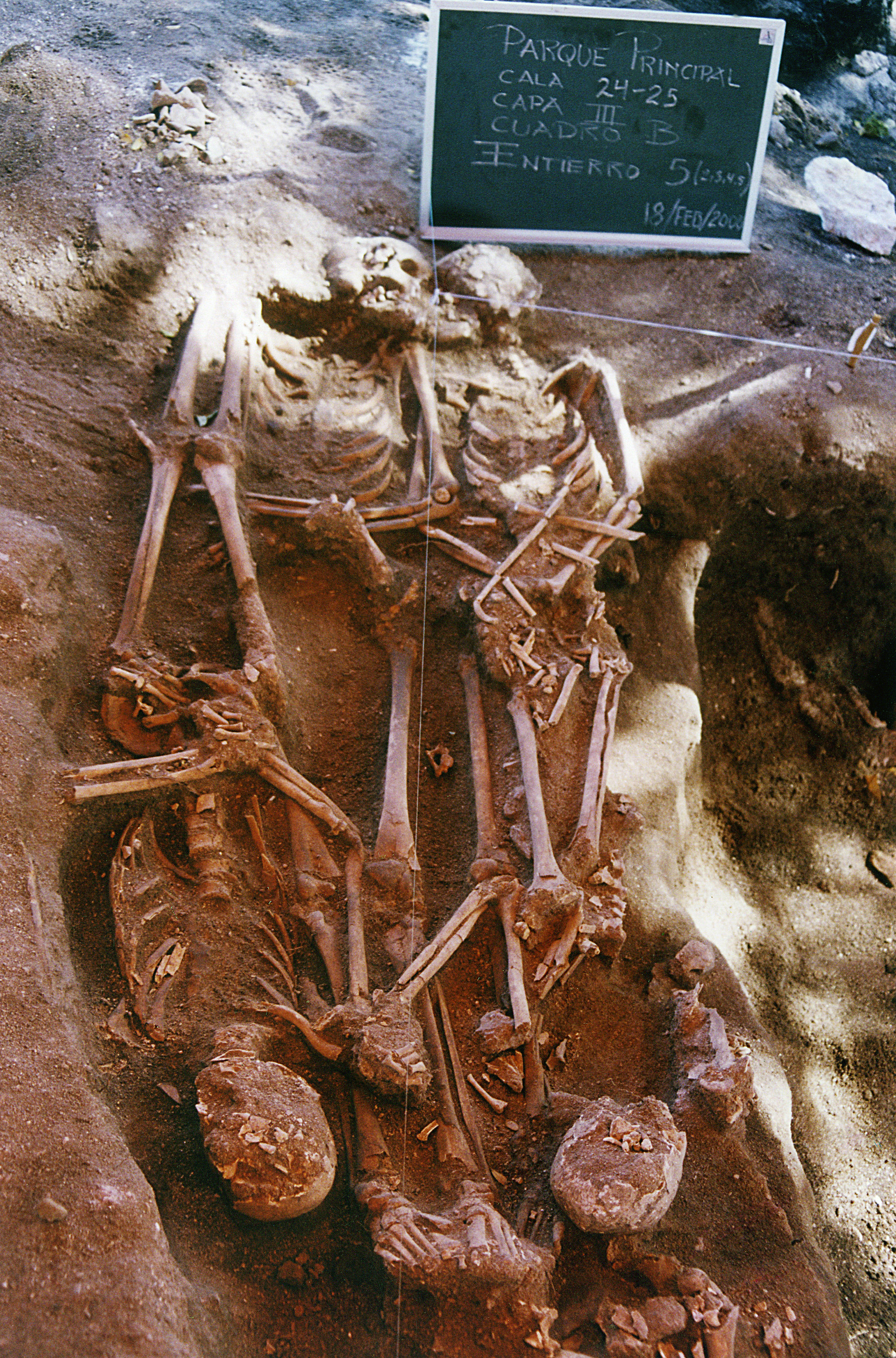
Pictured here is a grave where skeletons of Africans were found in the cemetery
in Campeche, Mexico.
Photo by: courtesy T. Douglas Price
High-resolution 300 DPI JPEG

Caption: A
study by James Burton and T. Douglas Price of the University of Wisconsin-Madison
and Vera Tiesler of the Autonomous University of the Yucatan provides the earliest
definitive link between the African Diaspora and the New World. Digging in
a colonial-era graveyard in Campeche, one of the oldest European cities in
Mexico, archaeologists found and researchers chemically analyzed what they
believe are the oldest remains of slaves brought from African to the New World.
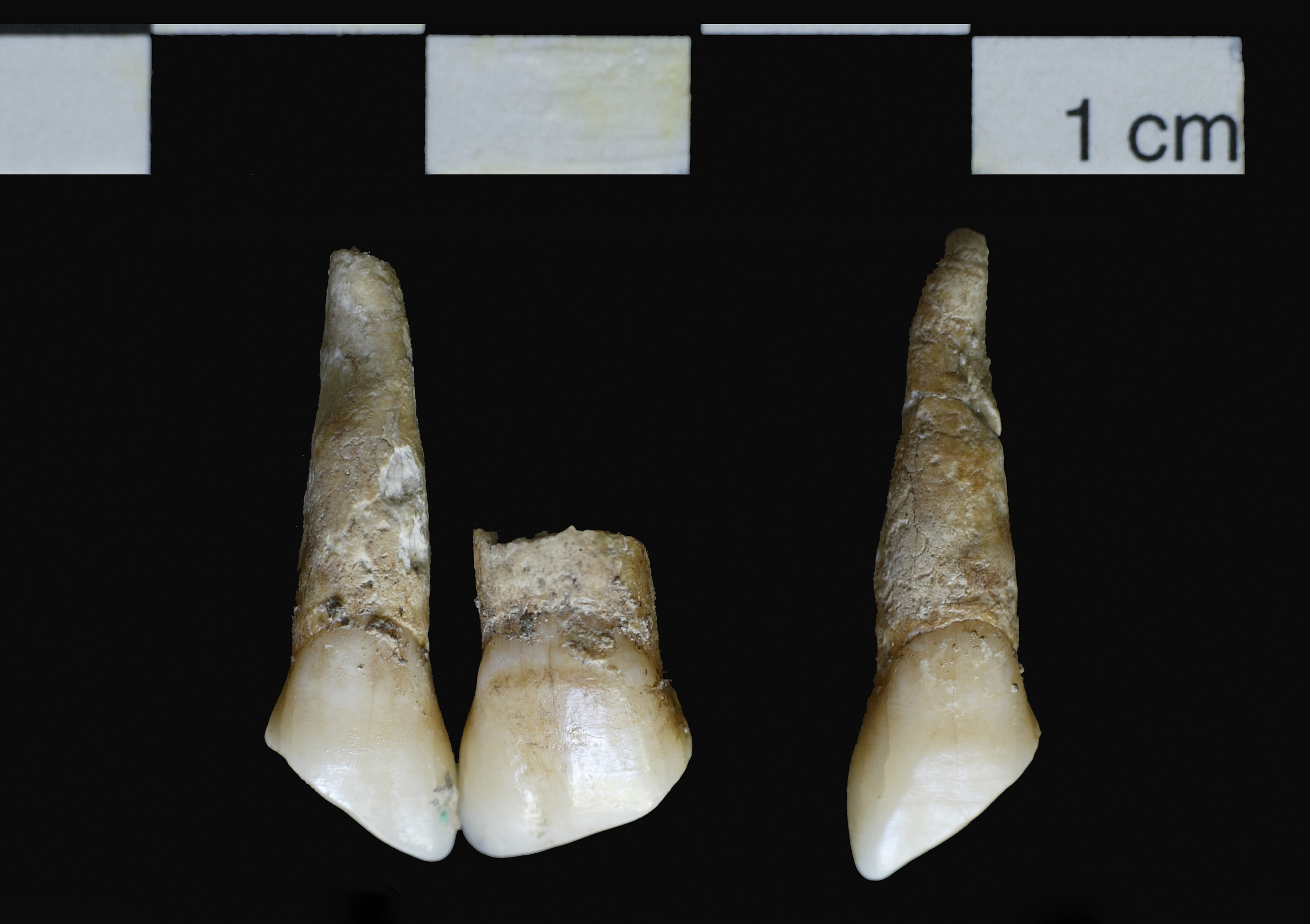
Pictured here are upper incisor teeth that have been filed at an angle, a distinctive
dental mutilation distinctive to African practices in the 16th century.
Photo by: courtesy T. Douglas Price
High-resolution 300 DPI JPEG

Caption: A
study by James Burton and T. Douglas Price of the University of Wisconsin-Madison
and Vera Tiesler of the Autonomous University of the Yucatan provides the earliest
definitive link between the African Diaspora and the New World. Digging in
a colonial-era graveyard in Campeche, one of the oldest European cities in
Mexico, archaeologists found and researchers chemically analyzed what they
believe are the oldest remains of slaves brought from African to the New World.
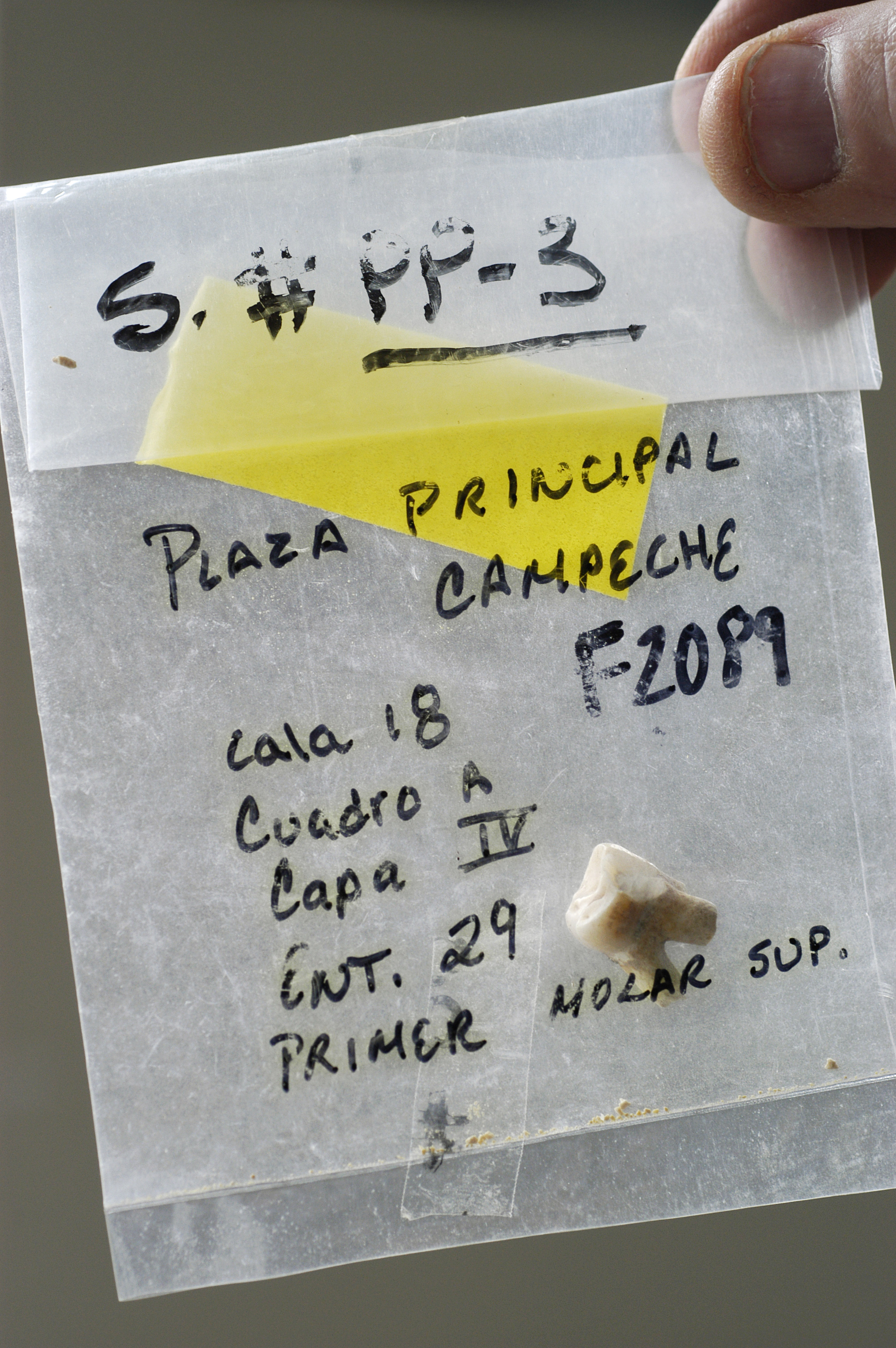
Pictured here, handwritten notes on a plastic bag document reference data for
a molar tooth from one of the skeletal remains that was chemically analyzed
in the Campeche study.
Photo by: Jeff Miller
Date: January 2006
High-resolution 300 DPI JPEG

Caption: James
Burton, senior scientist in the Department of Anthropology and associate director
of the Laboratory for Archaeological Chemistry.
Photo by: Jeff Miller
Date: January 2006
High-resolution 300 DPI JPEG

Caption: T.
Douglas Price, professor of anthropology and director of the Laboratory for
Archaeological Chemistry.
Photo by: Jeff Miller
Date: January 2006
High-resolution 300 DPI JPEG

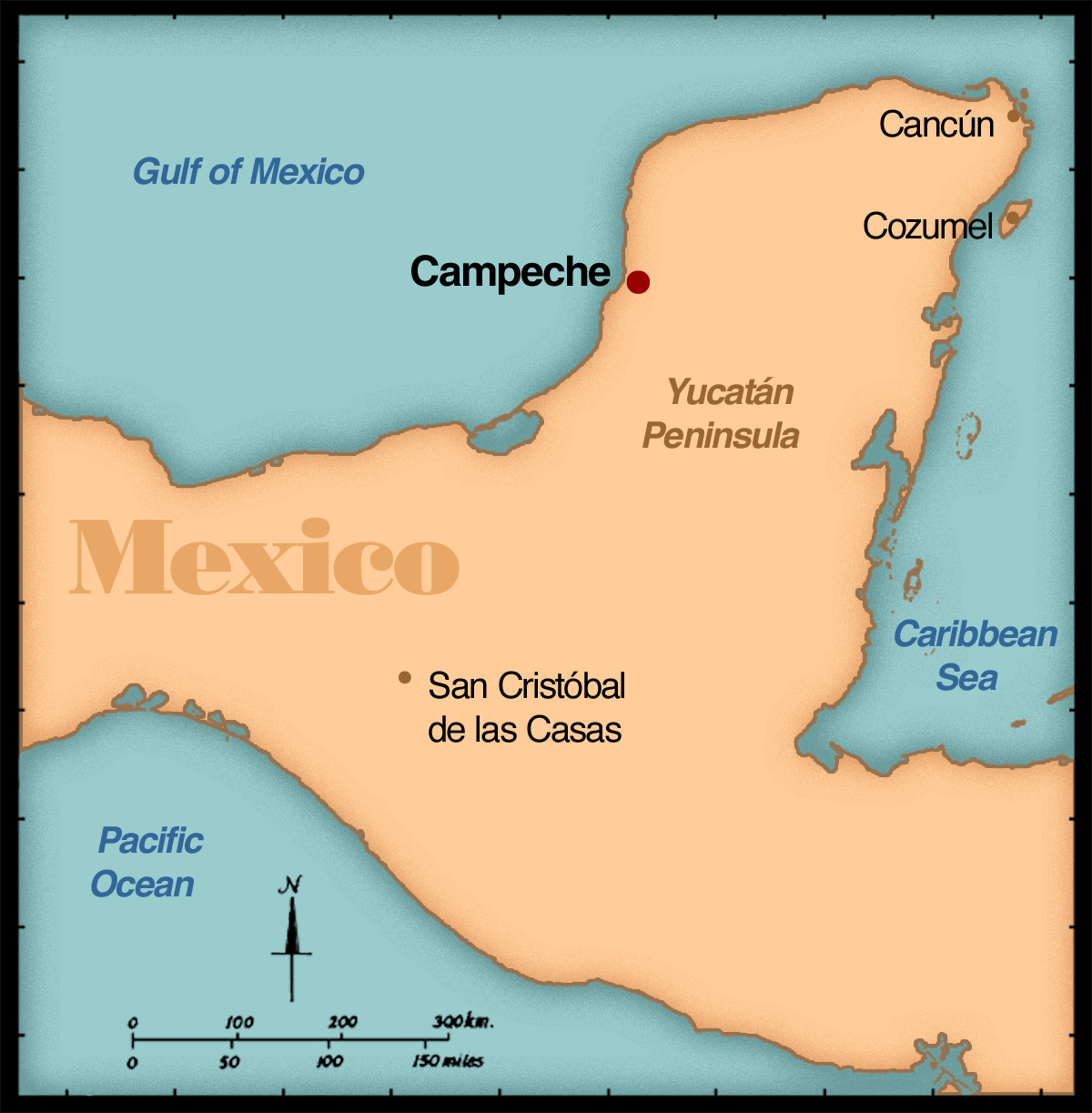
Caption: Campeche,
one of the oldest European settlements in Mexico, was a gateway to the New
World for European explorers and colonists and, evidently, slaves from Africa.
Digging near the central plaza of the port city on Mexico's Yucatan Peninsula,
archaeologists have uncovered the oldest physical evidence to date for slaves
brought to the New World from Africa.
Illustration by: Barry Carlsen
Date: January 2006
High-resolution 300 DPI JPEG
High-resolution 300 DPI EPS